 Denis Serden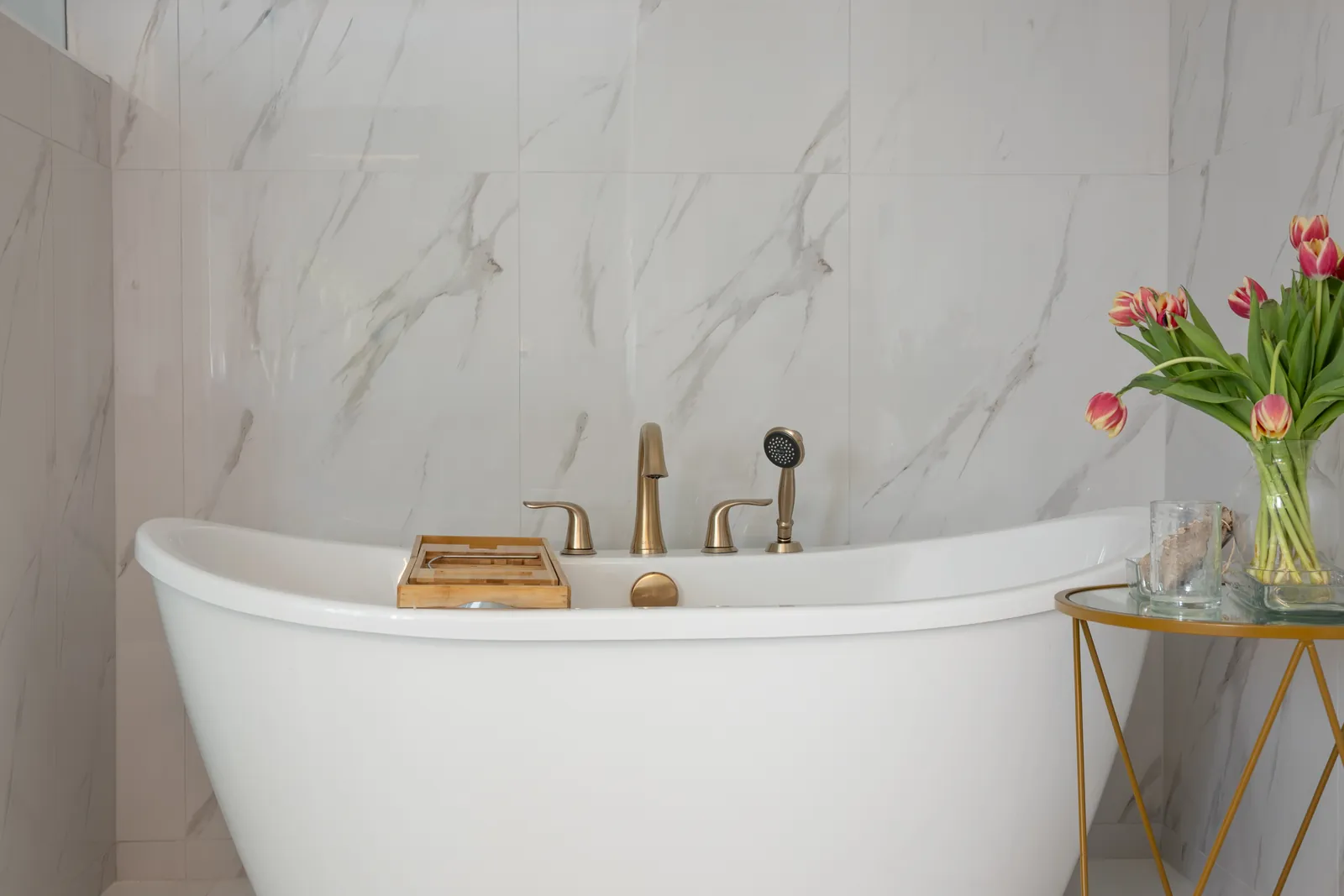
An acrylic bathtub can be a practical choice when you want comfortable soaking, manageable weight, and a wide selection of styles. Its main tradeoffs are a surface that needs gentle cleaning and a shell that depends on the correct support. The best purchase is a well-specified tub that fits your body, your bathroom, and your installation budget.
For homeowners planning a bathroom remodel in Vancouver, WA, Camas, or Portland, OR, choosing the material is only one part of the decision. Drain placement, floor condition, hot-water supply, and access for installation can matter just as much as the tub's appearance.
What Is an Acrylic Bathtub
An acrylic bathtub has a molded acrylic bathing surface, commonly reinforced underneath with fiberglass. The finished surface is smooth and nonporous. Acrylic describes the material; alcove, freestanding, drop-in, and soaking describe the installation style or bathing design. A freestanding tub is not necessarily a different material from a built-in tub.
Acrylic Tub Pros and Cons at a Glance
| Advantages | Tradeoffs |
|---|---|
| Relatively light compared with cast iron | Filled weight still requires adequate floor support |
| Smooth surface for routine cleaning | Abrasives and incompatible chemicals can damage it |
| Comfortable soaking and heat retention | Actual cooling depends on the tub and conditions |
| Options across several styles and budgets | Construction quality varies between models |
| Some minor scratches can be repaired | Cracks and movement need professional assessment |
Acrylic is also used in premium baths. Jacuzzi includes acrylic in its luxury bathtub collection and identifies easy cleaning, heat retention, and scratch repairability among its material features. See Jacuzzi's bathtub selection guide.
Who Should Consider an Acrylic Tub
Put acrylic on your shortlist if you want a tub-and-shower combination, a freestanding soaking tub, or a replacement that is easier to move than cast iron. Compare other materials if a particularly substantial feel or a specific finish matters more to you than weight and purchase price.
Benefits and Limitations of Acrylic Tubs
A smooth surface that is easy to maintain
Routine cleaning is usually straightforward with a soft cloth and a cleaner approved for the specific tub. However, nonporous does not mean self-cleaning or mold-proof. Soap residue and damp joints still need attention. Keep the surface and surrounding sealant clean rather than relying on the material alone.
Comfortable soaking without a heavy shell
Acrylic can help retain bathwater warmth, but material alone does not establish how long a bath stays hot. Tub insulation, water volume, room temperature, and the exposed water surface all affect the experience. Avoid choosing a model based on an unsupported promise that it stays warm for a fixed number of minutes.
A wide choice of designs and price points
You do not have to rule out acrylic for a luxury bathroom. Compare interior shape, finish quality, overflow design, and fixture coordination. A carefully proportioned acrylic tub can work well with custom tile and premium fixtures. The useful question is whether the specific product meets your expectations.
Scratches and cleaning damage are real tradeoffs
Dropped tools, grit, abrasive pads, and incompatible cleaning products can mark the surface. During remodeling, protect the tub and keep it from becoming a storage area for materials. Some light scratches may be repairable, but repair methods depend on the finish and manufacturer. Do not start sanding or refinishing a new tub without checking its care and warranty instructions.
Flexing should be investigated
Acrylic construction varies, and support matters. Noticeable movement, creaking, or a joint that keeps opening deserves an inspection. Ask the installer to check the base, floor, and required attachment method before assuming that movement is unavoidable. Cosmetic caulk alone does not correct an underlying support problem.
How long do acrylic tubs last
There is no single dependable lifespan for every acrylic tub. Product construction, installation, use, and cleaning all influence service life. Treat broad lifespan ranges as estimates, not promises. Compare the actual warranty, exclusions, repair options, and availability of replacement drain parts when choosing a model.
Serden Group tip: Manufacturer guidance is especially useful here. Kallista's acrylic bath instructions specify floor support, leveling, and model-dependent support methods. Always use the instructions for the tub you buy.
Acrylic Compared With Other Bathtub Materials
Choose a material around your priorities, then compare individual models. "Porcelain" usually describes an enamel finish over steel or cast iron, so it is important to identify what is underneath it.
| Material | Why consider it | What to check |
|---|---|---|
| Acrylic | Variety of shapes and manageable weight | Reinforcement, base support, cleaner compatibility |
| Gelcoat fiberglass | Lower-cost replacement options | Finish durability and repair provisions |
| Enameled steel | Rigid feel and a traditional glossy finish | Chip protection and model weight |
| Enameled cast iron | Substantial feel and durable construction | Delivery route and floor loading |
| Solid surface or stone resin | Sculpted shapes and varied finishes | Actual composition, weight, and care guide |
| Natural stone | Distinctive natural appearance | Stone-specific sealing, maintenance, and support |
Construction and care vary within these categories. Badeloft's bathtub material guide explains the main material types; verify specifications with the manufacturer of your shortlisted model.
Acrylic versus fiberglass
An acrylic tub can contain fiberglass reinforcement, so the names can be confusing. When sellers compare acrylic and fiberglass tubs, they generally mean an acrylic bathing surface versus a gelcoat finish over fiberglass. Ask what the bathing surface is made of and request the written care instructions.
Acrylic versus cast iron
Start with access and structural suitability. A cast-iron tub has a much heavier shell, which can complicate delivery and handling. Acrylic can make handling easier, but neither choice removes the need to assess the complete installed load. Then compare the feel, available shapes, and finish you prefer.
Freestanding versus alcove acrylic tubs
For a bathroom that needs both bathing and showering in the same footprint, start by comparing alcove models designed for that use. For a separate soaking area, a freestanding model may suit the layout. Check clearance for cleaning, faucet reach, and entry into the tub before choosing by appearance.
For example, two tubs with the same outside length may have different usable bathing wells. One may devote more space to a sloped backrest or a thick rim. Compare interior dimensions and overflow depth, and try the tub in a showroom when possible.
Acrylic Bathtub Cost and Installation Planning
How much does an acrylic bathtub cost to install
The cost of an installed acrylic bathtub depends on the product and the work needed around it. A tub-only price does not include demolition, plumbing, floor repairs, wall finishes, or all fixtures. A straightforward replacement and a relocated freestanding tub should not be treated as the same project.
For a Vancouver, Camas, or Portland bathroom, request an itemized estimate based on the existing room and the exact model. A national average cannot tell you whether your floor needs repairs or whether the proposed drain location works. If you want a sense of the wider budget first, our bathroom remodel cost guide breaks down where the money usually goes.
Ask the estimate to identify these items:
- Tub model, drain and overflow assembly, faucet, delivery, and applicable taxes.
- Removal and disposal of the old tub, including access-related work.
- Plumbing connections or relocation and any required access openings.
- Subfloor repairs, leveling, support, and attachment specified for the tub.
- Surround, waterproofing details, tile, flooring, trim, and finish repairs.
- Any required permits or inspections, plus allowances and exclusions.
Does an acrylic bathtub need a mortar bed
Not always. Some models use a mortar bed; others use feet, a supporting base, or another specified system. Do not substitute a generic installation method for the manufacturer's instructions. For example, the Kallista manual lists multiple securing methods for its particular bath; that does not make each method suitable for every acrylic tub. Read the model-specific example.
Can an acrylic bathtub go upstairs
It may be suitable, but the decision depends on the floor and the filled tub. A light empty shell is not proof that the structure is adequate. Have the installer assess the proposed model and existing conditions, with structural input when needed. The same planning should address how the tub will travel through doors and stairs.
What should happen before the room is finished
Agree on an inspection and testing sequence before work starts. Ask when the drain and overflow will be checked, how connections will remain serviceable, and how the tub will be protected while surrounding work continues. For a tub-and-shower combination, ask how the tub flange and wall system will be integrated.
What to Check Before Ordering an Acrylic Bathtub
- Fit: outside dimensions, actual bathing well, overflow depth, and a comfortable entry height.
- Layout: door swing, faucet reach, towel access, and enough room to clean around the tub.
- Compatibility: drain location, required drain assembly, and tub filler installation.
- Hot water: whether the home can fill the selected tub comfortably.
- Installation: delivery route, support requirements, and access for future service.
- Ownership: written warranty, approved cleaners, and repair or replacement-part support.
Frequently Asked Questions
Are acrylic tubs good for everyday use?
Yes, an appropriately selected and installed acrylic tub can serve everyday bathing needs. Choose a model suited to how you use the bathroom and follow its care instructions. Material alone cannot establish the quality of a particular tub.
Do acrylic tubs stain or turn yellow?
They can discolor or develop surface staining. Residue, cleaning products, and finish condition can affect appearance. Identify the cause and use the manufacturer's recommended treatment; stronger scrubbing can make a damaged finish worse.
Can you use vinegar or bleach on an acrylic tub?
Only when the manufacturer approves that product and its dilution for the specific tub. Do not assume a homemade cleaner is universally safe. Start with the written care guide, a soft cloth, and an approved cleaner. Rinse as directed and avoid abrasive pads.
Can a cracked acrylic bathtub be repaired?
Some damage can be repaired, but a crack needs evaluation for depth, leakage, and its cause. A repair is unlikely to last if underlying movement remains. Ask the manufacturer or a qualified repair professional whether repair or replacement is appropriate.
Is an acrylic bathtub a good choice for aging in place?
The material does not determine accessibility. Entry height, grip locations, bathing position, and available assistance matter more. If stepping over a tub wall is difficult, discuss other bathing layouts during design instead of choosing solely by material.
Plan Your Bathroom Remodel With Serden Group
Serden Group helps homeowners plan bathroom remodeling in Vancouver, WA, and Portland, OR, including the Camas area. We can help you compare the tub, layout, and surrounding finishes as part of your remodel.
Explore our completed remodeling projects or request a bathroom remodeling consultation. Bring your preferred tub model, a few bathroom photos, and your priorities so we can discuss the next steps.